

Dunbar Maritime Culture House
A contemporary civic building rooted in the working harbor of Dunbar, combining maritime craft, cultural interpretation, and social gathering within a protected waterfront setting.
Project Information
Project: Dunbar Maritime Culture House
Programme: Tectonics — The University of Edinburgh ESALA RIBA Part 1 Final Year Project
School: Edinburgh School of Architecture and Landscape Architecture (ESALA)
Author: Tsz Kiu Felix Wong
Instagram: @felix_wong_official
Architectural Design: Tectonics

Project Overview
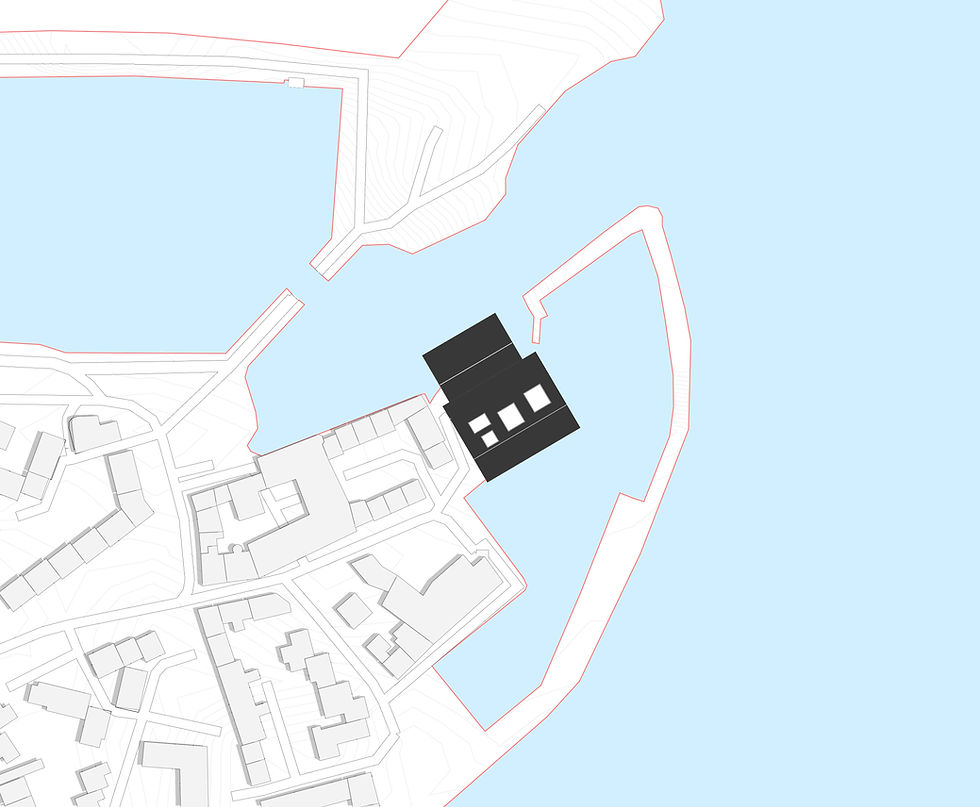
The Dunbar Maritime Culture House is proposed as a contemporary civic building rooted in the working harbour, combining maritime craft, cultural interpretation, and social gathering within a protected waterfront setting. Positioned on an exposed peninsula edge, the project responds to Dunbar’s strong coastal climate through two single-storey volumes arranged to create a wind-buffered courtyard and a semi-covered public threshold.
The proposal brings together a working layer of boat repair, net mending, archive and tool storage, a cultural layer of exhibition and storytelling, and a social layer of café, event space, and harbour-facing gathering areas. Rather than operating as a static museum, it is conceived as a living maritime institution that supports local identity, public engagement, and year-round use.
Architectural Drawings & Diagrams





A Living Maritime Institution
The Dunbar Maritime Culture House is conceived as a living maritime institution rather than a static museum. It brings together active craft, public storytelling, and social gathering in a contemporary timber complex shaped by climate, context, and community use. The project is organised through three interrelated programme layers: working, cultural, and social.
Three Programme Layers
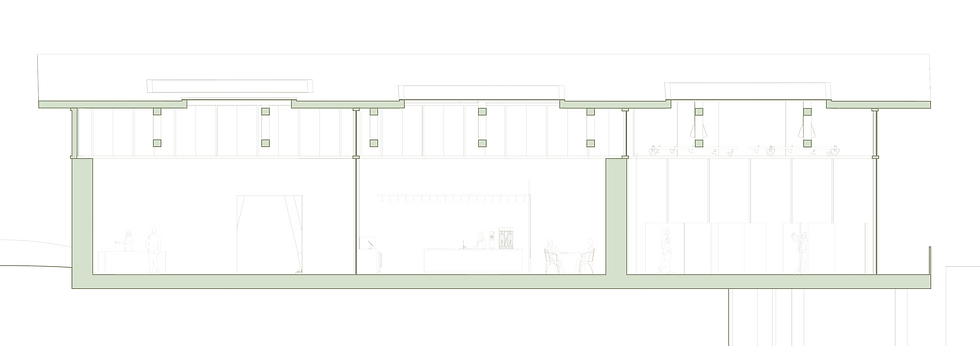
The building is organised through three interrelated programme layers that define its spatial and functional logic:
The Working Layer encompasses boat repair workshops, net mending areas, archival storage, and tool rooms. These spaces anchor the building to its harbour context, maintaining a direct and functional connection to the active maritime trades that characterise Dunbar’s waterfront identity.
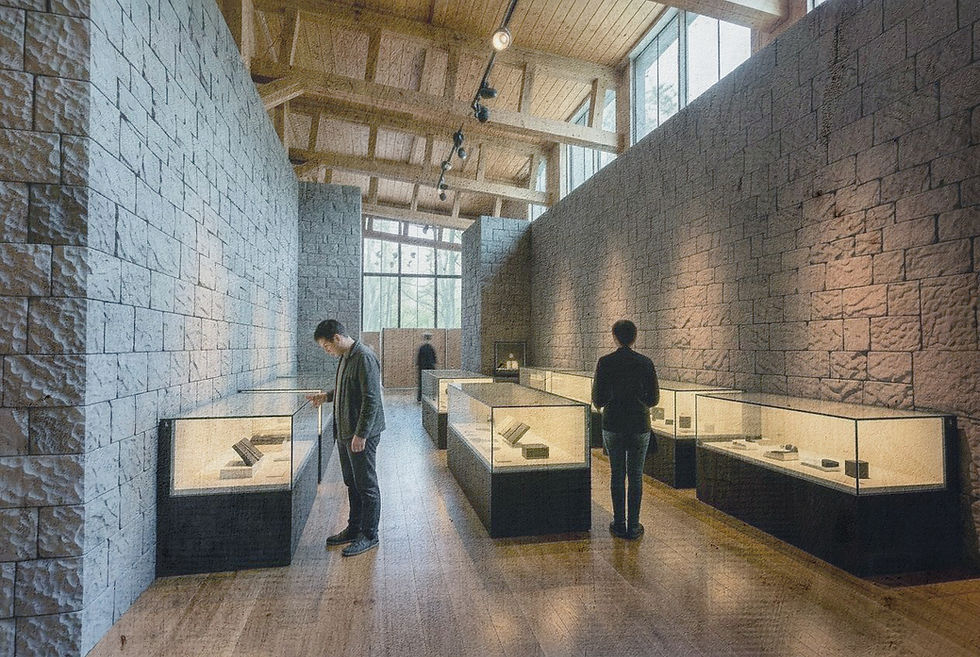
The Cultural Layer provides exhibition spaces and storytelling areas that interpret Dunbar’s maritime heritage for public audiences. Rather than static display, these spaces are designed for changing narratives, community curation, and educational engagement with the town’s coastal history.
The Social Layer includes a café, event space, and harbour-facing gathering areas that draw the community into the building and out towards the water. These spaces ensure the Culture House operates as a year-round civic destination, not merely a seasonal attraction.
Interior Visualisations


Responding to Climate and Context
Positioned on an exposed peninsula edge, the project responds directly to Dunbar’s strong coastal climate. Two single-storey volumes are carefully arranged to create a wind-buffered courtyard and a semi-covered public threshold, providing sheltered outdoor space that mediates between the building’s interior and the open harbour landscape.
The architectural strategy is shaped by an understanding of prevailing wind patterns, sea spray exposure, and the dramatic tidal rhythms of the East Lothian coast. The building’s massing, orientation, and material choices are all informed by these environmental forces, ensuring durability, comfort, and a strong sense of place.
Client and Community
The project was developed in response to The Ridge SCIO, a Dunbar-based social enterprise whose work centres on repair, training, community support, and local participation. Understanding the client meant recognising that the proposal should not operate as an isolated cultural building, but as a working civic space that supports making, learning, gathering, and public engagement at the harbour edge.
This client-centred approach ensures that the building is not merely a container for programmes, but a genuine extension of The Ridge’s mission — a place where maritime skills are passed on, where local stories are told, and where the community gathers at the water’s edge.
Tectonic and Material Strategy
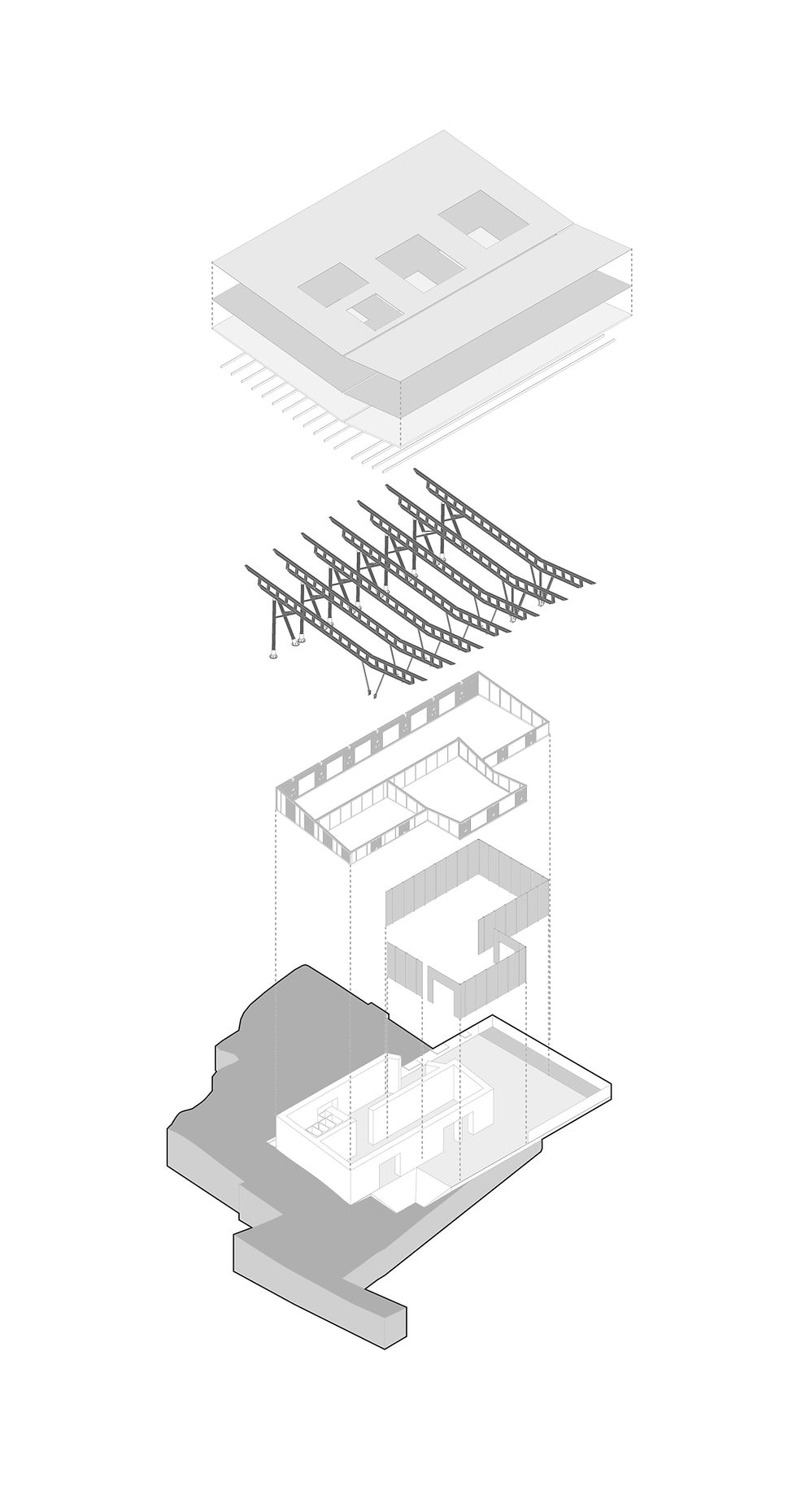
The building is constructed as a contemporary timber complex, with structural and cladding systems that reference both traditional boat-building techniques and modern engineered timber construction. The tectonic language of the building — its joints, frames, and surface textures — is designed to be legible and expressive, revealing the logic of assembly and the qualities of the material.
Skylights, large openings framing harbour views, and carefully modulated natural light create an interior atmosphere that shifts with weather and time of day — connecting occupants to the rhythms of the coast and the life of the harbour.
Physical Model


About the Author
Tsz Kiu Felix Wong is a final year architecture student at the Edinburgh School of Architecture and Landscape Architecture (ESALA), University of Edinburgh, pursuing RIBA Part 1. The Dunbar Maritime Culture House represents his final year Tectonics project — a comprehensive architectural proposition that integrates site analysis, client engagement, environmental strategy, structural design, and material craft into a cohesive civic building.
Follow Felix on Instagram: @felix_wong_official


Comments